What happens during preventive dental visits?
Preventive dental visits play a central role in maintaining both oral and general health, especially for families looking to ensure healthy habits from an early age. At Bright Dental, we see each regular check-up as an opportunity—not only to check for problems, but also to build trust and reinforce daily care practices that can last a lifetime. In this article, you’ll get a clear picture of what preventive dental visits include, why they matter, and how they are tailored for every family member.
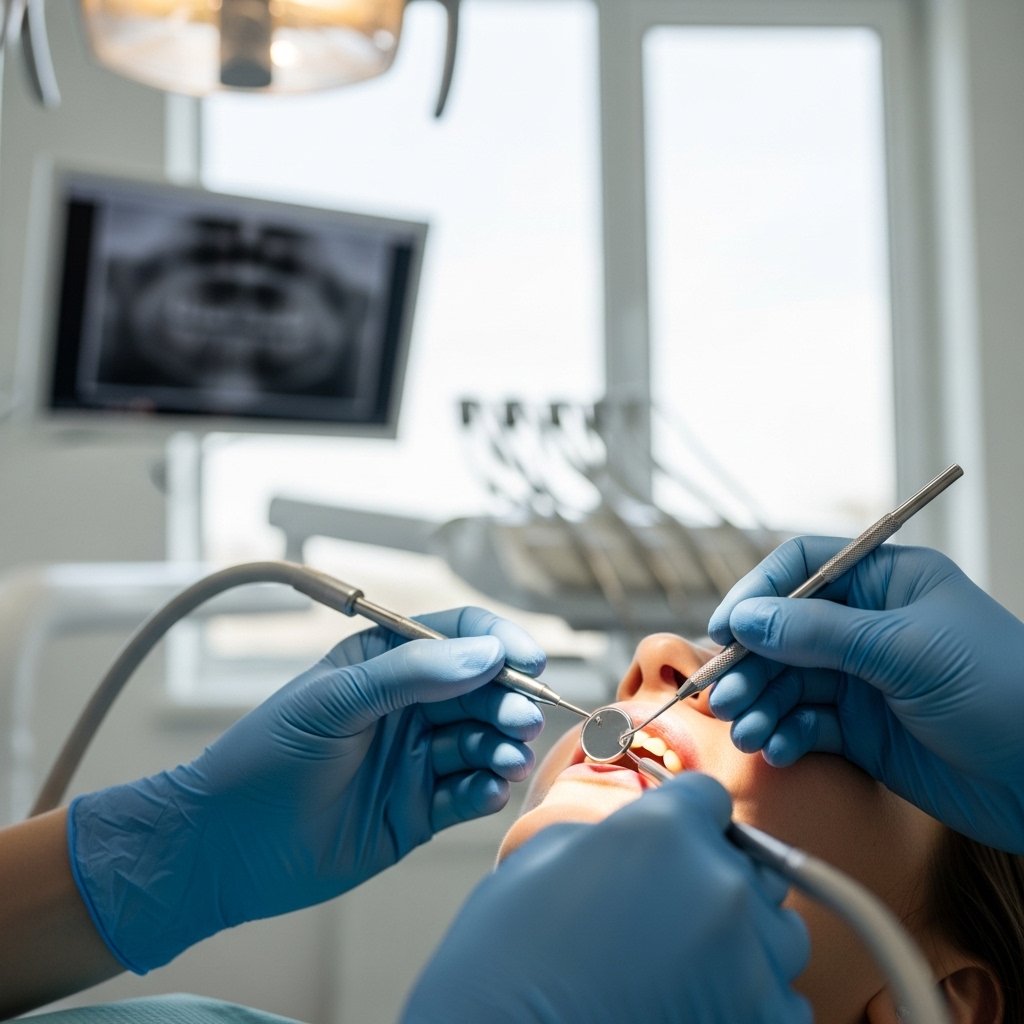
For many, “check-up” may sound like a quick look and a cleaning, but modern visits are far more comprehensive. They involve a careful assessment of your gums, teeth, bite, and even soft tissues—ranging from a visual exam to gentle probing for early signs of gum disease or subtle decay.
Depending on your age and needs, the dentist may also recommend low-radiation digital X-rays. These images often reveal hidden problems that are not yet visible to the naked eye, allowing intervention before discomfort or expense compounds. In family clinics, especially, we make sure every child knows what will happen before we begin—reducing fear, building confidence, and supporting lifelong positive attitudes toward oral care.
Focus on children: Early habits and positive experiences — preventive dental visits — happens during preventive dental
Children often feel anxious ahead of their first or even second appointment. That’s why one aim of our visits is to create a relaxed, friendly atmosphere. Age-appropriate explanations, gentle techniques, and calm encouragement are all part of the experience. For example, a child coming in for their six-month check might be shown how the dental chair works or how the dental mirror helps us “count teeth,” making every step clear and familiar.
Parents at Bright Dental are welcome to be present during their child’s visits—helping little ones feel secure while we discuss brushing habits, diet, and growth checks. This team approach builds trust and helps parents carry advice home. Over time, regular visits become routine and non-threatening, reducing the risk of dental anxiety into adulthood.
Adult care: Preventing problems before they start — happens during preventive dental
visits for adults often focus on the “invisible” threats—such as small areas of decay, changes in gum health, or early bite problems. Dentists look for red flags like tiny enamel cracks, worn fillings, or swelling that you may not notice day to day. By catching these signs early, treatment can be minimal and less invasive later on.
In addition, adults gain value from ongoing advice relevant to their lifestyle. For instance, those who smoke, are pregnant, have diabetes, or take certain medications benefit from tailored guidance on maintaining oral health. Routine oral cancer screenings are also part of the adult preventive approach—another reason why regular check-ups are important, even in the absence of pain or obvious issues.
How often should preventive dental visits be scheduled? — happens during preventive dental
General recommendations suggest a visit every six months, but this varies by individual. Some factors—orthodontic work, higher risk for cavities, or gum sensitivity—may mean more frequent appointments. Meanwhile, if your mouth is healthy with no history of issues, your dentist might suggest annual visits instead.
The point isn’t just frequency, but finding a schedule that fits your unique oral health risks. At Bright Dental, we discuss these factors openly, making the reasoning behind each interval practical and clear. In all cases, skipping preventive visits often leads to more complicated care in the future.
Additional preventive measures at your check-up
Besides routine exams and cleans, visits often include:
- Professional fluoride application (especially for children or adults with repeat cavities)
- Deep cleaning or scaling for stubborn plaque
- Personalized brushing and flossing instruction, with practical demonstrations
- Protective sealants for kids and teens at cavity-prone ages
- Counseling about diet, sugar, and the impact of habits on oral health
Tailoring these treatments to the needs of each patient—and explaining every step—supports a better outcome and helps patients feel in control of their care.
Building trust and comfort at every age
visits are not just about finding problems. They’re about establishing a sense of comfort with healthcare, empowering patients to ask questions, and guiding families through each stage, whether it’s a toddler’s first cleaning or a grandparent managing dry mouth.
At Bright Dental in Budapest, we understand that trust grows when patients feel heard and included in each step. Conversations often start in the waiting room—perhaps sharing a story about a first trip to the famous Széchenyi Baths just across the city—and continue in the chair, where reassurance and patience play as big a role as the dental tools themselves.
Reliable sources for further learning
If you wish to read further on the importance of visits, the American Dental Association provides excellent, reader-friendly resources explaining how and why these check-ups matter: MouthHealthy by ADA.
Summary: Preventive dental visits as a foundation of lifelong well-being
Regular, positive visits offer families a proven, reassuring way to guard against more serious issues and make oral health a team effort. Building these habits early—and maintaining them even as life gets busy—pays dividends in comfort, confidence, and long-term smiles.