Understanding dental sealants: More than a surface solution
Dental sealant protection is a simple, effective way to help keep children’s teeth cavity-free—especially for those back molars that tend to be hard to clean. In a busy family routine, you might notice how quickly meals and snacks add up. However, kids often rush brushing or miss tricky grooves in their teeth, leaving those areas vulnerable to decay. For many families who visit Bright Dental, the question comes up: What can we do beyond brushing and flossing to help our children keep their smiles strong? That’s where dental sealant protection makes a real difference.
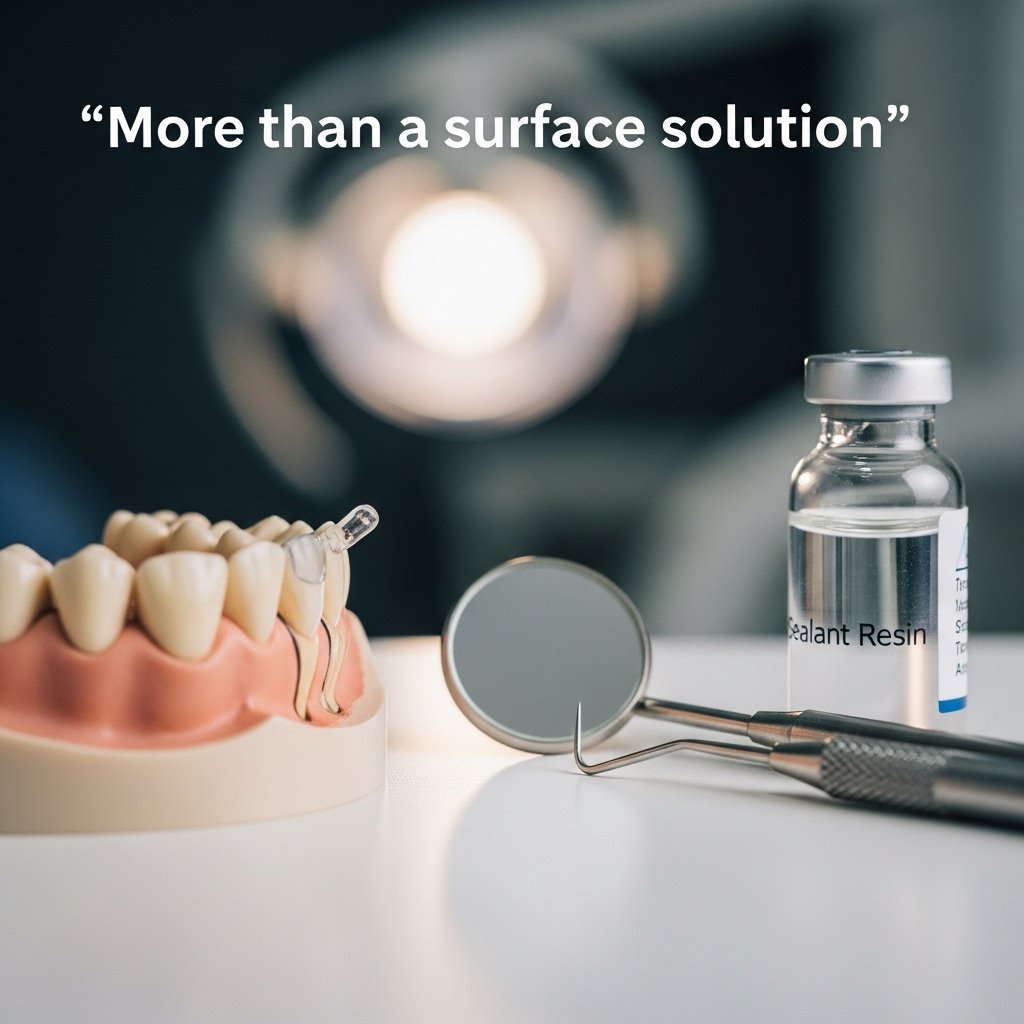
It’s normal to wonder what a sealant really does, or whether it’s truly worth considering. A dental sealant is a thin, tooth-colored resin applied to the chewing surfaces of the back teeth. This resin forms a protective layer, essentially “sealing” the deep grooves and pits where toothbrush bristles may not reach. Unlike fillings, sealants don’t require drilling or numbing—it’s a straightforward process often completed during a routine checkup.
Why dental sealant protection is especially important for children
Most cavities in children occur in the molars, where food and bacteria like to hide. Even with good daily habits, molars’ grooves can trap sticky foods. At Bright Dental, we recommend protection particularly for children between six and fourteen—the ages when permanent molars first come in and are most at risk. It’s a preventive step, not a cure. But, for many young patients, having this barrier can mean the difference between a healthy tooth and a first filling.
Applying sealants: What to expect in the chair
Sitting in the dental chair can feel intimidating for children. We explain each step ahead of time to help them feel comfortable. Here’s what typically happens during a dental sealant appointment at a family-friendly clinic:
- The tooth’s surface is cleaned and dried; this removes any debris.
- A gentle etching gel helps the sealant bond securely to the tooth; after a brief wait, this is rinsed away.
- The resin sealant is painted onto the tooth and hardened using a special light. Kids often find the blue curing light interesting to watch!
- The dentist checks the bite and ensures everything is smooth.
The entire process is painless, and sealants can last several years with proper care. If you’re curious about the details, you can find more about sealants from the Centers for Disease Control and Prevention.
How dental sealant protection fits into daily oral care
protection should be seen as a supplement to, not a substitute for, everyday brushing and flossing. Children benefit most when the sealant is paired with a steady home routine: brushing twice daily with fluoride toothpaste, flossing once a day, and visiting the dentist for regular cleanings and checkups. Because sealants only protect the chewing surfaces, areas between teeth still require string floss or other cleaning aids.
Addressing parents’ practical concerns
Some parents worry that the resin may contain harmful substances, or that the process will be uncomfortable for their child. It’s understandable to have questions. Sealants used at reputable clinics like Bright Dental are safe and well-tested. The material is similar to tooth-colored fillings, and most kids don’t experience any sensitivity or discomfort during the process. If there’s a famous local outing like a family walk near the city’s main park, for example, keeping kids smiling and comfortable after their appointment makes it easier to stick to family plans—without disruption.
Natural wear and annual checkups: How long do sealants last?
As children grow and chew their way through school lunches, snacks, and sports drinks, sealants may gradually wear down—especially on the biting surfaces that take the most action. Checking the integrity of sealants is a routine part of dental visits. If a sealant chips or wears away, your dentist can easily repair it. Meanwhile, most children can expect protection to last up to five years or more with care. Factors that affect longevity include chewing habits and personal oral hygiene.
Choosing dental sealant protection: When is it the right decision?
If your child is anxious at the dentist or struggles with thorough brushing, protection becomes an even more practical preventive measure. It’s worth discussing sealants if your child has deep grooves in their molars, a history of cavities, or orthodontic appliances that make cleaning challenging. In families where both parents and children model good dental habits, adding sealants supports those efforts—helping to keep dental visits focused on maintenance rather than repair.
Making prevention a family priority
Prevention takes teamwork. Encouraging your child to care for their mouth, supporting their trust in your family’s clinic, and making informed decisions all contribute to lasting oral health. protection offers an accessible, cost-effective way to support your child’s growing smile. For more in-depth information about sealants, you might refer to respectful resources like the American Dental Association’s patient guide.
At Bright Dental, conversations about prevention are never rushed—we believe that good habits (and a strong first sealant) start with a calm, clear explanation.