Manual vs. Electric: Where Does oral hygiene products comparison Start?
When you face the multitude of options at the pharmacy, an oral hygiene products comparison can help you decide which toothbrushes, toothpastes, and mouthwashes will best support your daily dental routine. At Bright Dental, families in our city often ask which product types are most effective for home care between appointments. While the fundamentals never change—brushing, flossing, and routine checkups—the products we choose can make a genuine difference in our results and comfort.
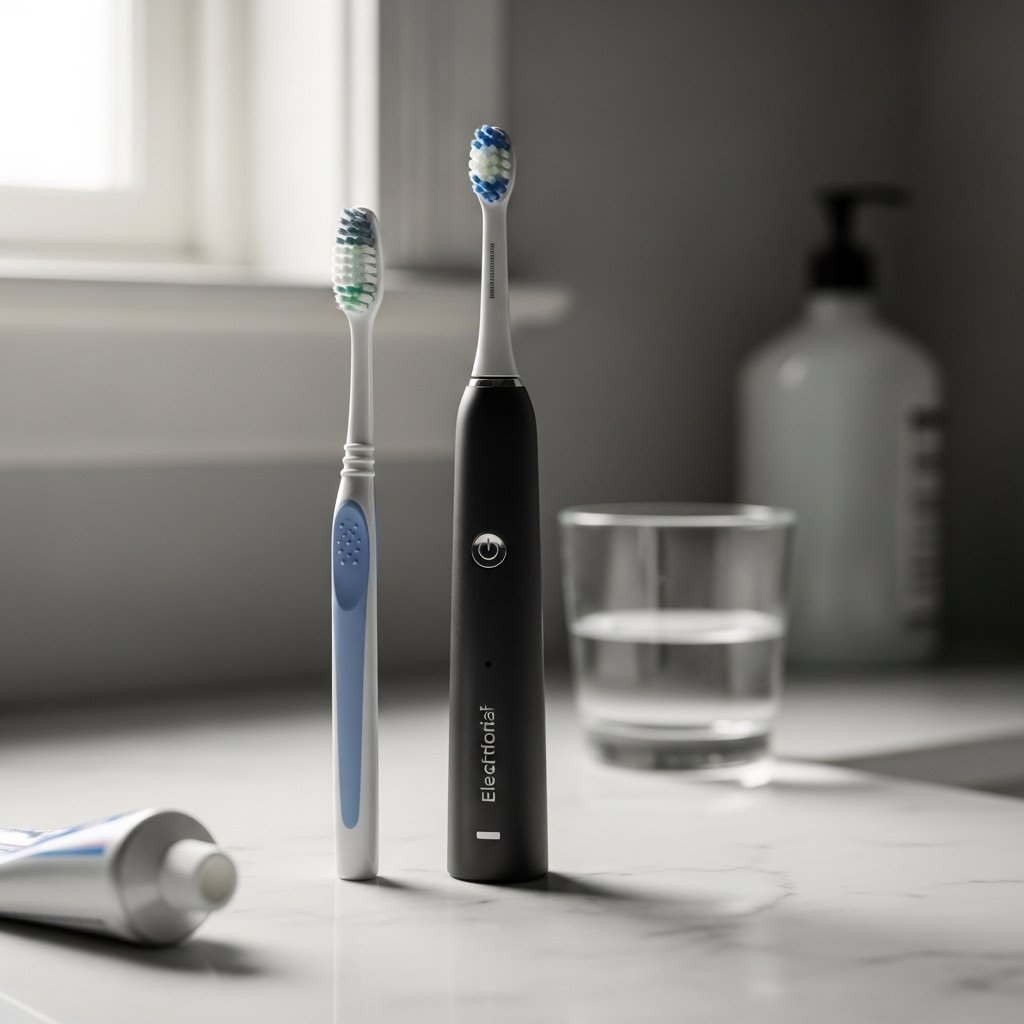
Choosing between a manual and an electric toothbrush is a common dilemma. Manual brushes remain popular for their simplicity and affordability, and, when used with the right technique, can maintain healthy gums and teeth. However, electric brushes are now a strong alternative for those seeking a little extra support. Current research suggests that electric brushes can reduce plaque and gingivitis more effectively for many people, partly because their oscillating or vibrating heads require less effort and provide more consistent motion.
For children, those with less steady hands, or anyone wearing braces, the ease of use and built-in timers in electric versions can be particularly useful. Manual brushes, on the other hand, let you control pressure and angle, which some people prefer, especially if sensitivity is an issue. Whichever you choose, replace brush heads regularly—every three months is generally advised.
Choosing Toothpaste: Not Just a Matter of Flavor — Manual vs. Electric
Your toothpaste choice is about much more than taste or mintiness. Ingredients truly matter for different dental needs. If you’re cavity-prone, look for a toothpaste with fluoride, which helps strengthen enamel. For those struggling with sensitivity to hot or cold, formulas containing potassium nitrate or stannous fluoride may provide relief over time. Whitening toothpastes contain mild abrasives and extra polishing agents, but should be chosen carefully by those with sensitive teeth.
At Bright Dental, we often remind parents and kids that the right toothpaste also depends on age. Young children should use a pea-sized amount of low-fluoride paste until they are old enough to spit reliably. Adults with gum concerns might benefit from toothpastes with antibacterial agents such as triclosan or stannous fluoride. If in doubt, bring any product to your next visit and we’ll check the ingredients together.
Floss and Interdental Brushes: What’s Right for Tight Spaces? — Manual vs. Electric
The oral hygiene products comparison wouldn’t be complete without exploring options for cleaning between teeth. Regular dental floss works well for most people with properly spaced teeth. Choose unwaxed or waxed based on preference; waxed tends to be easier to glide between tight contacts. If you have bridges, braces, or wider gaps, interdental brushes or special floss threaders may give superior results.
Water flossers, which shoot a thin jet between the teeth and along the gumline, are another alternative for those who struggle with regular floss. They do not completely replace manual flossing for everyone, but they’re far better than skipping between-teeth cleaning altogether. Choose what makes you most likely to stick with your routine, as consistency is more crucial than the exact tool.
Mouthwashes and Rinses: Extra Step or Essential?
Some consider mouthwash optional, but for many, it adds an important second line of defense. Alcohol-free formulas are now common and are gentler for children or those with dry mouth. Antibacterial mouthwashes, containing chlorhexidine or cetylpyridinium chloride, can help reduce gum inflammation—but they’re usually recommended for short-term use, as prescribed.
For breath-freshening, look for products designed to neutralize odors rather than just mask them. If you’re prone to cavities, a daily fluoride rinse might offer extra protection, especially in areas where local water is not fluoridated. More information about the safety and effectiveness of different mouthwash types is available from the American Dental Association.
Making Decisions in a Busy Household: Practical oral hygiene products comparison for Families
Families, especially those with children of different ages, may need several types of oral hygiene products at home. For example, the youngest might use a soft-bristled manual brush, while teens with orthodontic appliances might prefer an electric brush and interdental brushes. Grown-ups dealing with gum issues may rotate between antibacterial and regular toothpaste. Everyone benefits from choosing products based on personal comfort and any special advice from your dentist.
Expert Tips for Personal Oral Care Choices
No two mouths—or routines—are quite alike. When comparing oral care products, keep in mind:
- Choose the product you will use consistently—comfort and habit matter as much as technology.
- Check for the ADA seal or equivalent, which shows a product is tested and safe.
- If you have braces, dental work, or specific concerns, tailor your choices or ask for guidance at your next checkup.
- Remember that technique is as important as the product—no toothpaste or brush can compensate for rushed brushing or skipped flossing.
While local traditions and habits shape our preferences—from the toothpaste flavors we select to the design of our brushes—striving for steady, thorough at-home care makes the biggest difference between visits. Whether you’re shopping beside a local landmark like the city’s famous park or consulting your family clinic, thoughtful choices set the foundation for lifelong dental wellness.
Conclusion: Your Custom oral hygiene products comparison
Effective prevention always starts with the right tools—chosen not just for their claims or branding, but for how well they fit your daily habits and your mouth. This oral hygiene products comparison highlights that the best choice may be a thoughtful combination tailored to specific needs at home, supported by advice from professionals like those at Bright Dental. By staying informed and adaptable, you and your family can maintain healthy, confident smiles throughout the year.