Understanding the dental cleaning procedure in detail
For many patients, the dental cleaning procedure is the first thing that comes to mind when considering preventive care at Bright Dental. Although it may seem routine, this process plays a profound role in keeping your mouth healthy and your smile brighter. Today, let’s walk through what really happens during a professional cleaning, what sets it apart from your homecare, and why returning to the clinic regularly is genuinely worth your time.
Your experience with the procedure always begins with a conversation. At Bright Dental in Budapest, we listen carefully to any concerns or changes you’ve noticed since your last visit. After this, a dental hygienist or dentist visually examines your mouth—checking teeth, gums, and oral tissues for anything unusual. Some now expect ‘scary tools’, but a gentle approach—combined with modern methods—helps most patients relax.
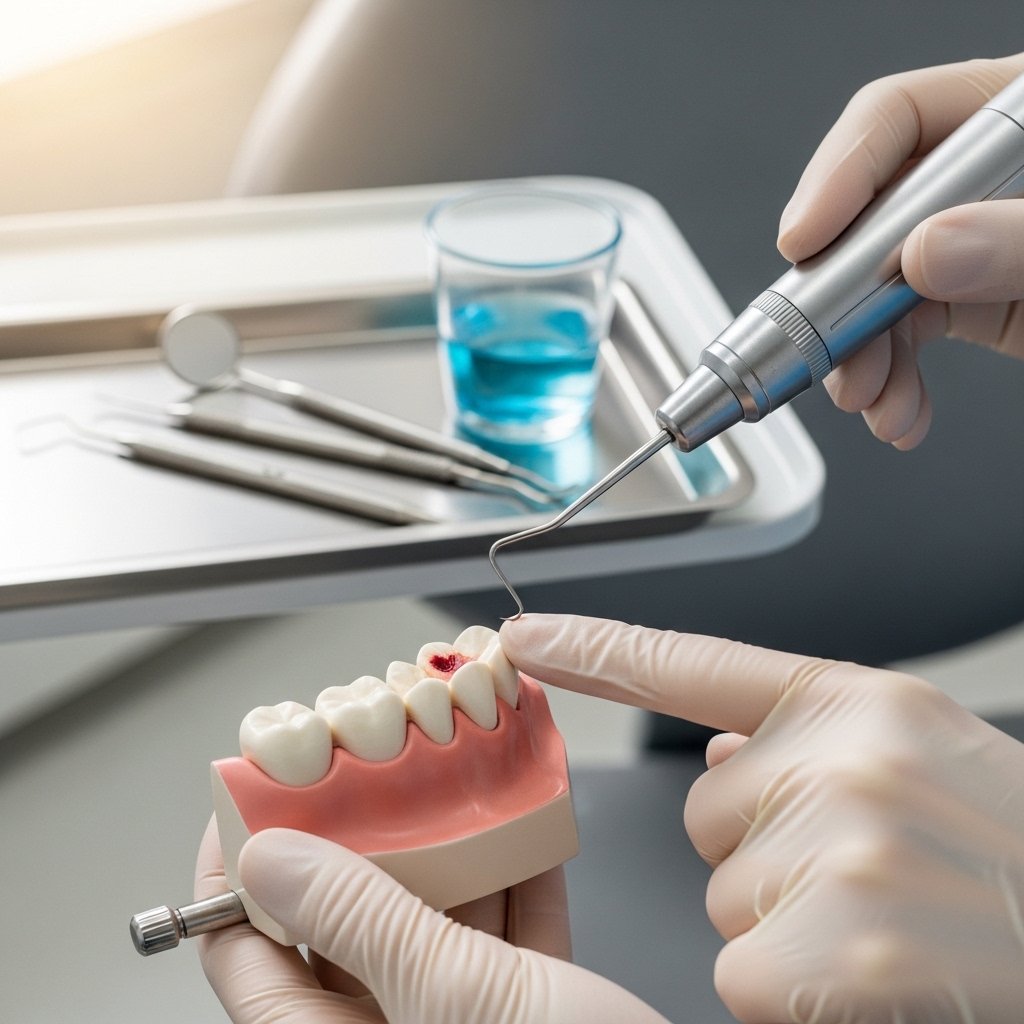
First, we use a tiny mirror to guide along every surface. This helps spot problem areas. Next, a scaler gently removes plaque and tartar, especially in places where a toothbrush simply can’t reach or clean thoroughly. Some people hear a scraping noise, which is entirely normal. If we find areas of heavier buildup, we explain as we go—there are no unpleasant surprises.
Why is the dental cleaning procedure more effective than at-home care? — Understanding the dental cleaning
You might wonder why the procedure at the clinic is needed if you brush and floss regularly. The reality is, even the most careful home care leaves some areas untouched, especially below the gumline or between tightly spaced teeth. Over time, plaque hardens into tartar, and no amount of home brushing will remove it—only a professional can.
In addition, during an appointment, we use special tools and polishing pastes that deep clean enamel surfaces more thoroughly and gently than at-home products. This doesn’t just make teeth feel smoother; it helps to slow future plaque buildup and maintain a healthy mouth environment.
Steps involved in a typical dental cleaning — Understanding the dental cleaning
While each visit is unique, a typical procedure follows these key steps:
- Examination: Checking gums and teeth for signs of problems, making sure it’s safe to proceed.
- Scaling: Removing plaque and hardened tartar above and just below the gumline. This is done with handheld or ultrasonic tools depending on need and comfort.
- Polishing: Using a rotating brush and special paste to gently polish the teeth, removing surface stains that brushing alone often misses.
- Flossing: Carefully cleaning between each tooth. For many people, this is an eye-opener—there’s often more buildup than expected!
- Fluoride treatment (if recommended): Sometimes, a fluoride varnish or gel is applied at the end of the appointment. This strengthens enamel and gives extra protection, especially in younger patients or those at higher risk for cavities.
The unique advantages of a clinic-based dental cleaning procedure — Understanding the dental cleaning
At Bright Dental in Budapest, we combine gentle technique with attention to the smallest details. In contrast to quick, impersonal cleanings, we take time to adapt for sensitivity and to educate as we go. Patients sometimes comment that overlooking something simple—like missed areas brushing—became much clearer after we demonstrated during their cleaning. This hands-on education is something a home routine can’t provide.
Moreover, our approach is shaped by the Budapest community: balancing tradition with the innovations most useful for real families. For example, we sometimes point out that regular visits can help you avoid unexpected problems down the road—meaning less time in ‘the chair’ and more enjoying favorite city spots, perhaps an afternoon walk by the Chain Bridge, completely pain-free.
How often should you have a dental cleaning procedure? — Understanding the dental cleaning
Most people need the procedure every six months, though some benefit from more frequent appointments, especially those prone to gum disease or with certain health conditions. However, the most important thing is regularity. Even if some time has passed, booking an appointment is always the right step to get back on track. Waiting too long allows tartar to do quiet but serious damage, sometimes leading to gum recession or tooth loss.
When to consider an extra cleaning — Understanding the dental cleaning
There are a few situations where coming in more often for a procedure makes sense. If you notice bleeding when brushing, persistent bad breath, or if you’re wearing braces, these are common reasons for an additional check-up. Importantly, this isn’t a sign of failing—almost everyone needs extra support at some point, especially during major life changes or health issues.
Preparing for your next dental cleaning appointment
If you’re new to professional cleanings or it’s been a while since your last appointment, a few practical steps can help:
- Brush and floss as usual before the visit, but don’t worry if you missed a spot—this is exactly what we’re here for.
- Jot down any aches, sensitivity, or questions. It’s much easier to remember when you’re in the chair.
- For anxious patients, let us know early. There are many small adjustments we can make to help you feel calm.
Frequently asked questions about dental cleaning procedure
Is professional cleaning painful?
Some mild discomfort or sensitivity is possible, especially if it’s been a while or your gums are already inflamed. However, most patients describe the feeling as a deep clean—not painful. We always adjust techniques and check comfort frequently.
Can children and older adults benefit equally?
Absolutely. The dental cleaning procedure is tailored at every age. Young children, teenagers, working adults, and seniors alike benefit from reduced plaque, fewer cavities, and regular monitoring for early problems.
Is there a risk involved?
There are rarely any risks. Sometimes, gums may be tender for a day or two, especially after a long break between cleanings. If you have specific health concerns, discussing these at the start of your visit ensures everything is as safe and comfortable as possible.
Learn more about the science behind dental cleaning
For a deeper look into how professional cleanings impact oral and overall health, you can explore reputable resources like the American Dental Association.
Final thoughts on maintaining a healthy smile
The dental cleaning procedure isn’t just tradition—it’s a powerful tool to keep teeth strong, gums healthy, and confidence high. At Bright Dental, we’re happy to guide you through each step, combining gentle methods and clear explanations with the care your family deserves. Whether it’s your first cleaning or your fortieth, taking this preventive step is always a positive investment in your wellbeing and your smile.