What Are Dental Sealants and Why Choose Them?
Dental sealants offer a straightforward solution for families looking to add an extra layer of protection to their children’s teeth. At Bright Dental, we see firsthand how dental sealants can help prevent cavities, especially for growing kids who may be working on their brushing habits or who simply want practical support for healthy teeth. Let’s look at what sets dental sealants apart, where they came from, and what makes them a valuable prevention tool for families today.
sealants are thin, protective coatings made of a safe plastic material. They are applied directly onto the chewing surfaces of the back teeth—usually the molars and premolars. Molars have deep grooves and pits, which are perfect hiding spots for bacteria and leftover food. Even with the most careful brushing, these areas are especially vulnerable to decay. sealants slide into these tiny grooves, creating a physical barrier that makes it much less likely for a cavity to form.
The Origins and Safety of Dental Sealants
sealants have been in use since the 1970s. They’ve changed over the years, with advances in materials and application techniques making them more durable and comfortable. Today’s sealants are transparent or tooth-colored, so children and teens usually don’t even notice they’re there. Moreover, modern sealant materials are rigorously tested and well tolerated. The American Dental Association considers them a safe and effective way to prevent cavities in children and adolescents. For parents, this means peace of mind and a proven safety record. You can read more about their safety in this overview from the American Dental Association.
How Are Dental Sealants Applied?
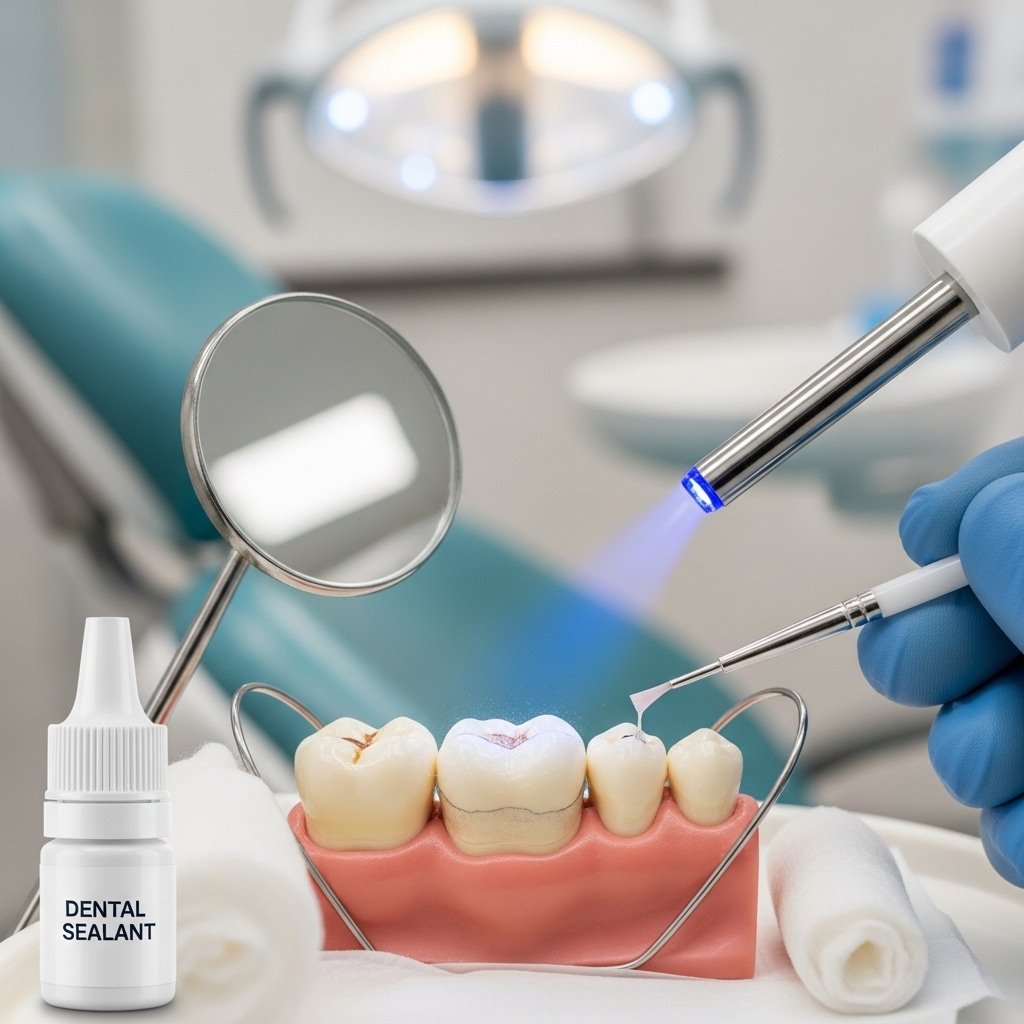
The process is quick, comfortable, and does not require any drilling. First, the dentist cleans and dries the tooth surface. An etching gel is applied for a few seconds to help the sealant stick. After rinsing and drying again, the thin liquid sealant is painted onto the tooth. A special light may be used to help it harden rapidly. The entire process usually takes just a few minutes per tooth — a relief for busy families and younger patients who may feel nervous about dental visits.
Who Benefits Most from Dental Sealants?
Children are the main group who benefit from sealants because their newly erupted permanent molars are most at risk for early decay. Typically, children get their first molars around age six and their second molars around age twelve. It’s best to apply sealants soon after these teeth come in, before decay has a chance to start. However, teens and some adults who are prone to cavities can also benefit from sealants. At Bright Dental, we often recommend sealants as part of a comprehensive prevention plan for any patient whose teeth have deep grooves or a history of cavities.
Sealants Compared to Other Cavity Prevention Strategies
While brushing, flossing, and fluoride toothpaste are essential, sealants offer a unique, physical line of defense. Think of sealants like a raincoat for your teeth: they cover the vulnerable areas that toothbrush bristles might miss. They don’t replace regular hygiene habits, but they are one of the few professional interventions that actually block bacteria from affecting the tooth’s surface in specific high-risk spots. In contrast, fluoride treatments help harden enamel on all teeth but can’t fill the tiny depressions where bacteria linger. Together, though, regular cleanings, good hygiene, a sensible diet, fluoride, and sealants form a well-rounded shield against decay.
What to Expect from Dental Sealants in Everyday Life
Sealants are designed to last for several years under normal chewing. However, sticky or hard foods can wear them down over time. During regular dental visits, your dentist checks the sealants. If one chips or wears out, it can be repaired easily — much simpler than fixing a cavity. Kids usually don’t feel anything different and can eat, drink, and talk as usual. For families in busy cities, from school schedules to outings to places like the iconic Heroes’ Square, having long-lasting sealants means one less thing to worry about when it comes to dental checkups.
Clinical Evidence Supporting Dental Sealants
The benefits of sealants are well documented. According to the Centers for Disease Control and Prevention, children without sealants have nearly three times as many cavities as those with sealants. In addition, studies show that sealants can reduce the risk of decay in molars by up to 80% in the first two years after application. These impressive numbers highlight why dental professionals consistently recommend sealants as part of a proactive oral health routine. For more, see the CDC’s guidance for parents.
Frequently Asked Questions About Dental Sealants
Do contain BPA?
Most modern sealants contain only trace amounts of BPA, and studies show the exposure is negligible — far less than from many daily sources. Bright Dental only uses materials that meet strict safety standards.
Are there risks or side effects?
Sealants are non-invasive, painless, and well tolerated. Some children may experience a slightly odd texture right after placement, but this goes away within a day as they adjust.
How do fit into home dental routines?
Sealants are not a substitute for daily brushing or for regular professional cleaning. Instead, they add an extra layer of protection right where kids need it most.
Deciding If Are Right for Your Family
When deciding about sealants, consider the shape of your child’s teeth, their risk of cavities, and your family’s approach to prevention. While not every child or adult needs sealants, for those with deep grooves or frequent cavities, they offer a low-stress way to reduce dental work in the future. At Bright Dental, we walk families through these decisions, weighing the balance between prevention and comfort for each child. If you have questions about sealants or want to learn what options are best for your family’s smiles, your dental team is always happy to share practical advice grounded in real-world results.